Source Moisture Proof ESD Protection Bag for Electronics, SMT, and Workshops
Compare 30 listings for Moisture Proof ESD Protection Bag options tailored for electronic components, SMT production lines, and computer rooms. Buyers can evaluate surface resistance, material structures, and customization features to find suitable suppliers.
Key considerations
Products List

Anti Static Bags ESD Shielding ESD Anti-Static Bag Moisture Proof Antistatic Bag
$0.57 - $1.30
MOQ: 5000 Pieces


$0.01 - $0.10
MOQ: 500 Pieces


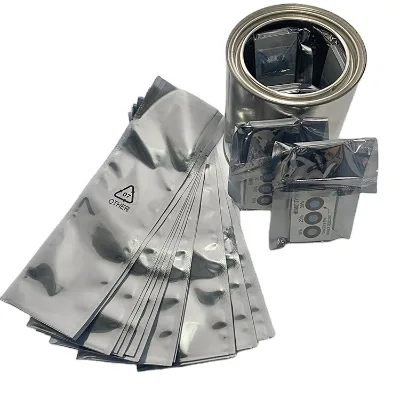


Bag Pattern Can Be Printed According to Customer Requirements ESD Shielding Bag
$0.01 - $0.99
MOQ: 5000 Pieces


Anti Static Shielding Bags 0.075-0.14 mm Flat ESD Waterproof with Printing Logo
$0.00 - $0.99
MOQ: 5000 Pieces


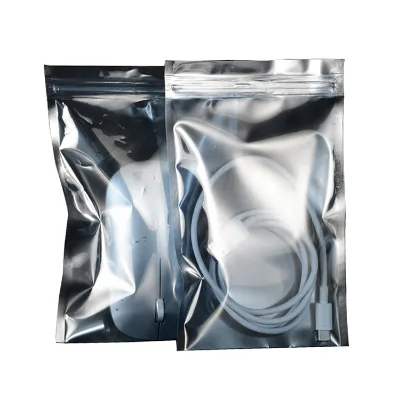
Comprehensive Sourcing Guide
Moisture Proof ESD Protection Bag Sourcing Guide
Procuring moisture proof ESD protection bags requires a nuanced understanding of how static dissipative properties intersect with environmental barrier performance. These specialized packaging solutions are engineered to safeguard sensitive electronic components from two distinct threats: electrostatic discharge (ESD) and moisture-induced degradation. In modern supply chains, particularly within surface mount technology (SMT) production lines and electronic component maintenance rooms, the integrity of these bags is critical. Buyers must recognize that a single product attribute rarely satisfies all requirements; instead, the ideal solution often involves a multi-layered structure that balances conductivity with impermeability.
The decision to source these bags is driven by the need to protect high-value assets during storage, transit, and handling. Components such as integrated circuits, printed circuit boards (PCBs), and delicate sensors are vulnerable to latent damage from static electricity, which can occur even without a visible spark. Simultaneously, moisture absorption can lead to "popcorning" during reflow soldering, causing internal delamination and circuit failure. Therefore, the procurement strategy must focus on verifying that the selected bags provide a reliable Faraday cage effect while maintaining a low water vapor transmission rate (WVTR). This dual protection ensures that electronic goods arrive at assembly lines in pristine condition, ready for immediate processing without costly rework or scrapping.
Product Scope and Observed Listing Signals
Market listings for these products reveal a diverse range of material compositions and physical characteristics, indicating that buyers must carefully filter options based on specific technical needs. Observed data suggests that materials often include polypropylene (PP), high-pressure polyethylene, and anti-static polythene, with some listings specifying complex structures like Pet/Al/CPE laminates. The presence of aluminum layers in certain structures is a strong indicator of superior moisture barrier capabilities, as metalized films effectively block water vapor and light. Buyers should note that while some bags are described as translucent or opaque, the opacity often correlates with the inclusion of metallic layers or carbon-based additives that enhance shielding effectiveness.
The observed product attributes also highlight significant variability in customization options, which is a key signal for industrial buyers. Many suppliers offer custom sizes, printing, and specific bag varieties tailored to the dimensions of the electronic components being packed. Features such as "bio-degradable" and "disposable" suggest an increasing market trend toward sustainable packaging, although buyers must verify if these eco-friendly attributes compromise the primary ESD or moisture-proof functions. Additionally, the hardness is typically described as soft, and sealing methods often include flat open designs, which facilitate easy loading and unloading in high-volume production environments. Understanding these signals helps buyers narrow down the vast array of listings to those that align with their operational constraints.
Technical Specifications to Verify
Surface resistance is the most critical technical parameter for validating ESD protection, and buyers must verify the specific range offered by the supplier. Trusted category knowledge and observed data indicate that effective ESD bags typically exhibit surface resistance values between $10^3$ and $10^{11}$ Ohms, with some specialized products targeting the $10^8$ to $10^{11}$ Ohm range for static dissipative properties. It is essential to distinguish between conductive bags, which have lower resistance, and static dissipative bags, which have higher resistance but still safely bleed off charge. Buyers should request test reports that confirm these resistance values are consistent across the entire surface of the bag, as uneven conductivity can leave components vulnerable to localized static discharge.
Static decay time and material thickness are equally important specifications that influence the bag's performance in real-world scenarios. A static decay time of less than 0.05 seconds is a common benchmark for high-performance ESD bags, ensuring that any accumulated charge is neutralized rapidly upon contact with a grounded surface. Regarding physical durability, observed thicknesses often range around 0.075mm to 0.08mm, providing a balance between flexibility and puncture resistance. Buyers should also verify the layered structure, such as basic level or functional layer configurations, as multi-layer designs often provide better mechanical strength and more reliable barrier properties against moisture and static compared to single-layer alternatives.
Compliance and Safety Documentation
Regulatory compliance is non-negotiable when sourcing packaging for electronic components, particularly those destined for markets with strict environmental and safety standards. Buyers must ensure that the suppliers provide valid certification documents, such as RoHS, ISO, GS, CE, and CCC, depending on the target region. RoHS compliance is especially critical as it restricts the use of hazardous substances like lead and mercury in the manufacturing of the bags themselves, ensuring that no toxic materials migrate into the electronic components they protect. Without these certifications, there is a risk of non-compliance with international trade regulations, which can lead to shipment rejections or legal liabilities.
Safety documentation should also cover the intended usage environments, as ESD bags are often deployed in sensitive areas such as computer rooms, printing workshops, and combustible or explosive zones. Buyers need to verify that the bags meet the safety requirements for these specific settings, including flame retardancy if required for explosive areas. Additionally, the condition of the product should be confirmed as new, and the packaging method, whether in paper cartons or direct bagging, should be documented to prevent damage during transit. Ensuring that all safety and compliance data is up-to-date and verifiable protects the buyer from reputational and operational risks associated with substandard packaging materials.
Cost Drivers and Commercial Terms
The cost of moisture proof ESD protection bags is influenced by several factors, including material complexity, customization requirements, and order volume. Observed price ranges in the market can vary significantly, with some listings showing low unit costs while others reflect the premium for specialized multi-layer structures or custom printing. Buyers should anticipate that custom sizes and specific printing requirements will increase the unit price due to the additional setup and production time involved. Furthermore, the inclusion of aluminum layers or other advanced barrier materials typically commands a higher price point compared to standard polyethylene bags.
Minimum order quantities (MOQs) are another critical commercial term that affects procurement strategy. Market observations indicate MOQs ranging from 10 to 10,000 units, depending on the supplier and the level of customization. For buyers with high-volume needs, negotiating lower MOQs or tiered pricing can improve cash flow and reduce inventory holding costs. It is also important to clarify the packing details, such as whether the bags are packed in paper cartons or directly in bundles, as this impacts shipping efficiency and storage requirements. Understanding these cost drivers allows buyers to make informed decisions that balance quality, customization, and budget constraints.
Supplier Qualification and Quality Control
Selecting a reliable supplier for ESD protection bags requires a thorough evaluation of their manufacturing capabilities and quality control processes. Buyers should prioritize suppliers who originate from established manufacturing hubs, such as Shanghai or other regions in China known for plastic packaging expertise. It is essential to verify that the supplier has a robust quality management system in place, capable of maintaining consistent product standards across large production runs. This includes regular testing of surface resistance, static decay time, and moisture barrier performance to ensure that every batch meets the specified technical requirements.
Quality control should also extend to the raw materials used in production. Buyers must confirm that the supplier uses high-quality raw materials, such as anti-static polythene or high-pressure polyethylene, and that these materials are sourced from reputable suppliers. The ability to customize the product, including size, printing, and material structure, is a strong indicator of a supplier's flexibility and technical competence. Additionally, buyers should inquire about the supplier's process for handling defects and returns, as this reflects their commitment to customer satisfaction and product reliability. A supplier with a transparent and rigorous quality control process is more likely to deliver consistent, high-performance ESD bags.
Long-Term Procurement Checks
Establishing a long-term procurement strategy for moisture proof ESD protection bags involves regular audits and performance reviews to ensure ongoing compliance and quality. Buyers should schedule periodic re-verification of certifications, such as RoHS and ISO, to ensure they remain valid and up-to-date. This is particularly important as regulatory standards evolve, and suppliers may need to update their processes or materials to maintain compliance. Additionally, buyers should monitor changes in the supplier's product offerings, such as the introduction of new bio-degradable options or improved barrier technologies, to stay ahead of market trends and sustainability goals.
Performance monitoring should include tracking the incidence of ESD-related failures or moisture damage in the buyer's own production processes. If issues arise, buyers should work with the supplier to investigate the root cause, whether it be a defect in the bags or a change in handling procedures. Building a strong relationship with the supplier can facilitate faster resolution of such issues and enable collaborative improvements in packaging design. Furthermore, buyers should regularly review commercial terms, including pricing and MOQs, to ensure they remain competitive and aligned with the buyer's evolving volume needs. This proactive approach ensures that the procurement of ESD protection bags remains a reliable and cost-effective component of the overall supply chain.
FAQs
What materials are used for moisture proof esd protection bags?
These bags are primarily made from PP and High Pressure Polyethylene Plastic Bag materials. Some variants utilize Anti-Static Polythene to ensure effective static control while maintaining moisture resistance for electronic components.
Can these bags be customized for specific electronic applications?
Yes, customization is available for size, printing, and specific application needs. The product standard allows for customized sizes as per client requests, ensuring the bags fit various electronic component packaging requirements perfectly.
What is the surface resistance range for these anti-static bags?
The surface resistance ranges from 10e3 to 10e11 Ohms depending on the specific model. Some variants offer a narrower range of 10e8 to 10e11 Ohms, ensuring reliable protection against electrostatic discharge during handling.
Which certifications do these moisture proof esd bags hold?
Certifications include RoHS, ISO, GS, CE, and CCC for various product models. These standards verify that the bags meet international safety and quality requirements for use in sensitive electronic environments and production lines.
How fast do these bags decay static electricity?
Static decay occurs in less than 0.05 seconds for effective protection. This rapid decay rate ensures that sensitive electronic components are shielded from harmful static charges immediately upon contact with the bag surface.
What are the available thickness options for these plastic bags?
Thickness options include 0.075mm and 0.08mm for different durability needs. These specifications ensure the bags provide adequate protection against moisture and physical damage while remaining flexible for various packaging applications.
Where are these esd bags manufactured and shipped from?
Products originate from China, with specific production noted in Shanghai. This location supports global sourcing needs while ensuring consistent quality and availability for international buyers requiring moisture proof esd protection solutions.